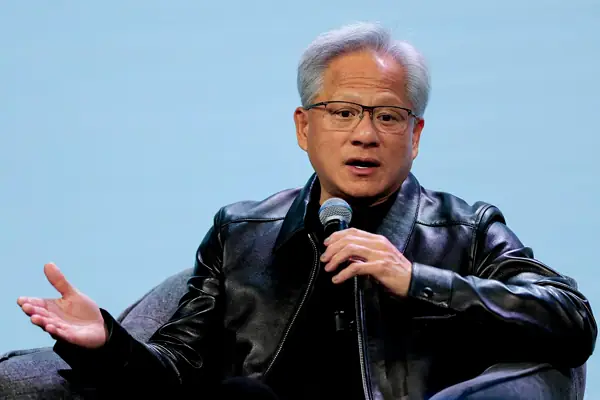
A recently surfaced U.S. intelligence memo has sent ripples through the technology sector, alleging that China’s Ministry of State Security (MSS) attempted to orchestrate an espionage operation targeting Jensen Huang, the CEO of Nvidia. According to several major media outlets, the document claims that Alice Huang, a high-ranking executive at the Singapore-based firm Megaspeed, was recruited by Chinese intelligence services specifically to gather information on the semiconductor leader. The New York Times was the first to disclose the existence of the memo, which reportedly outlines a concerted effort by Beijing to infiltrate the inner circle of one of the world's most influential tech figures.
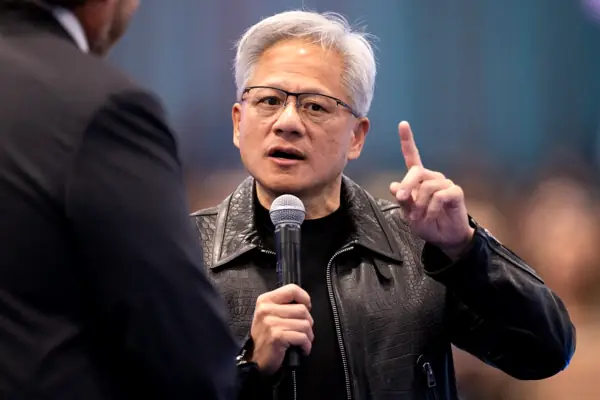
Further reporting by the Financial Times added a layer of complexity to the allegations, noting that the memo suggested a romantic relationship existed between Jensen Huang and Alice Huang. While the nature of their connection has become a focal point of the intelligence report, a spokesperson for Nvidia addressed the matter by stating that the CEO’s interactions with the Megaspeed executive were not unusual within the context of industry networking. The company emphasized its rigorous security protocols, clarifying that it does not share classified or sensitive proprietary information with its customer base, regardless of the level of professional engagement.
The scrutiny surrounding Nvidia’s international dealings extends beyond personal associations. Investigative reports have also highlighted concerns regarding New Matrix, a Chinese entity that had received authorization from the U.S. Commerce Department to procure advanced hardware. However, a physical inspection of the address provided by New Matrix revealed nothing more than an empty shell, sparking fears that the company may serve as a front for a blacklisted private equity firm attempting to bypass export restrictions. This development is particularly significant in the current landscape of AI news, where the control of high-end processing chips has become a matter of national security. Nvidia has maintained that its primary focus remains domestic, asserting that it sells the majority of its most advanced technology within the United States.