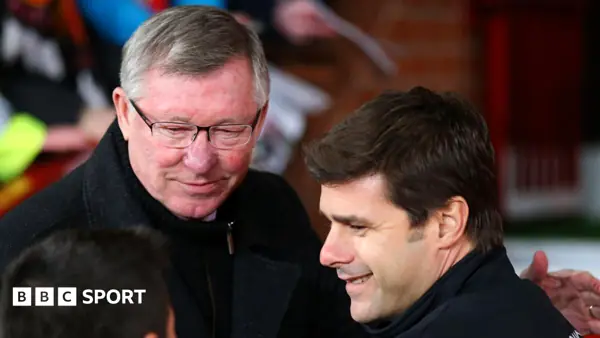
Mauricio Pochettino's appointment as the manager of Manchester United has brought renewed optimism to Old Trafford, bridging a long-standing philosophical divide at the club.
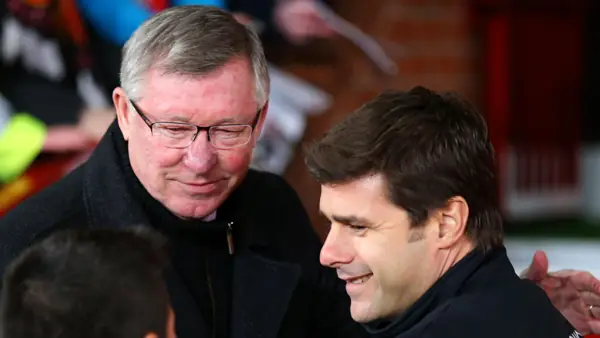
Long vocal about his admiration for Sir Alex Ferguson—whom he once described as the greatest manager in football history—Pochettino arrives with a tactical profile that attempts to reconcile United's historical identity with modern requirements.
This challenge previously hindered several predecessors, including Michael Carrick, Ole Gunnar Solskjaer, and Erik ten Hag, who struggled to successfully transition the team from a potent counter-attacking outfit into a side capable of dominating possession against stubborn defences.
During his recent stint concluding last season, Carrick's squad excelled when afforded space, leveraging a transition-heavy strategy that proved highly effective when conceding the majority of possession.
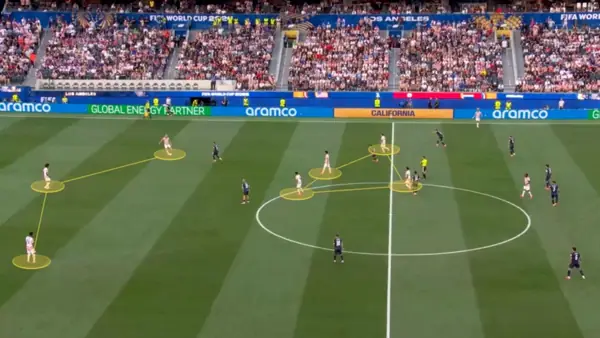
However, aspirations at the top tier demanded a more proactive, possession-based approach utilizing slick, short build-up passes—an objective Carrick ultimately could not reliably establish, mirroring the hurdles faced by past managers.
Pochettino, renowned as a tactical disciple of Marcelo Bielsa, offers a different path.
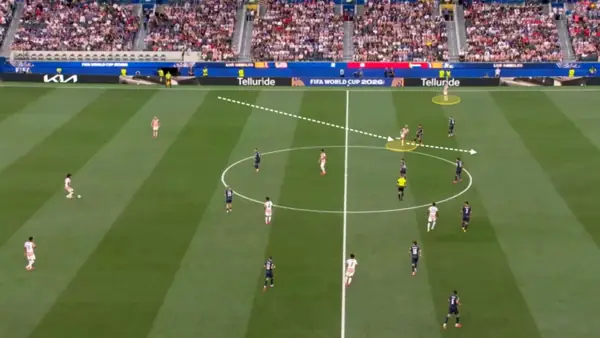
His philosophy emphasizes taking the initiative, high-intensity pressing, and dynamic, vertical football.
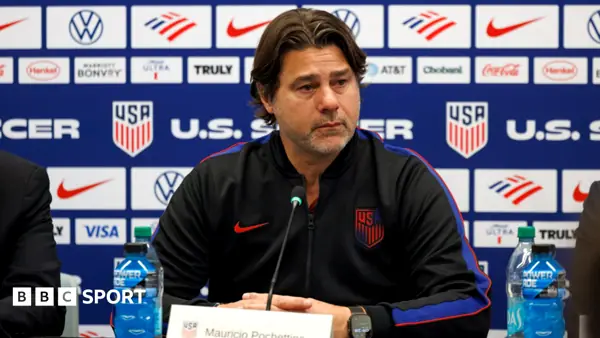
As demonstrated during his recent tenure with the United States national team, his tactical setups rely on fluid midfields and small-space passing combinations rather than rigidly fixed positional structures, allowing players the freedom to exploit spaces between defensive zones.
While these principles share similarities with the ideas Carrick attempted to implement, Pochettino historically injects a rigorous organizational framework alongside his freer style.
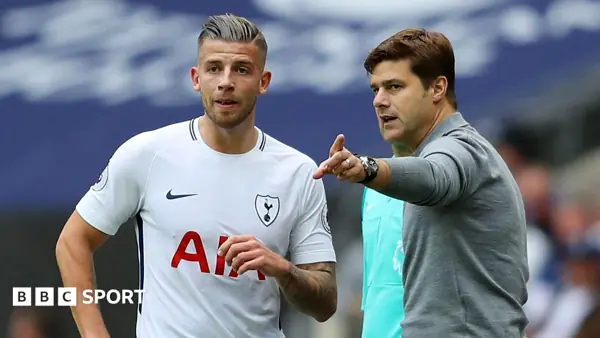
His previous successes, notably with Tottenham Hotspur and Chelsea—where players like Cole Palmer thrived under his empowered tactical environment—underscore his capability to build well-drilled, co-ordinated units.
Furthermore, contemporary examples in the Premier League demonstrate that intensity off the ball remains a viable foundation for success.
For Manchester United, the ultimate test under their new manager will center on whether this fluid, high-octane methodology can consistently break down low blocks, thereby averting the tactical stagnation that has haunted the club in recent years within the Sports landscape.