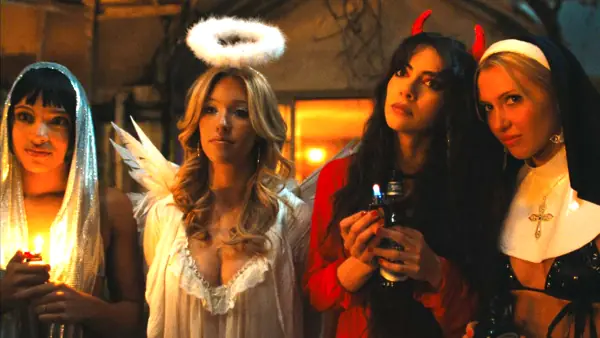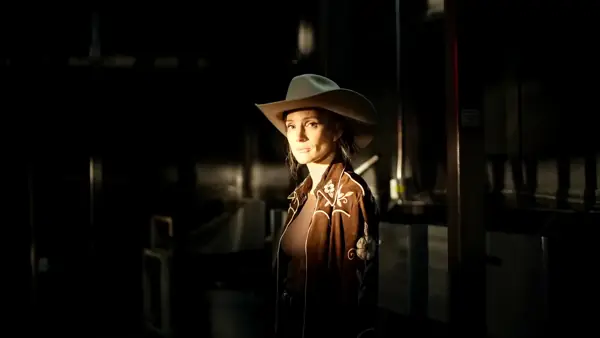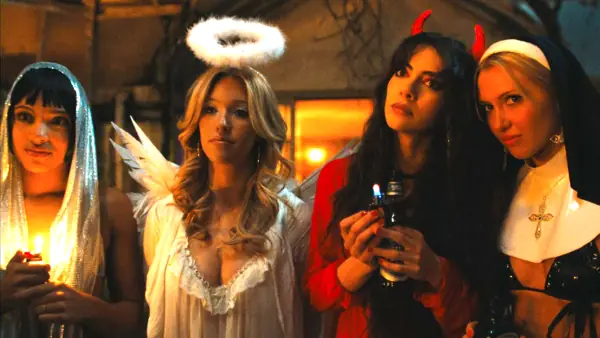
A new eight-episode series titled The Body is heading to Netflix on November 11, merging religious anxiety with early-2000s high school culture. Created by Quinn Shephard, known for Under the Bridge, the project takes inspiration from classic teen and horror archetypes, reinterpreting them through the lens of a Catholic high school dance team caught in the center of an escalating community scandal. Viewers tracking upcoming releases in our movie and television coverage will find a blend of camp aesthetic, adolescent turmoil, and supernatural undertones.
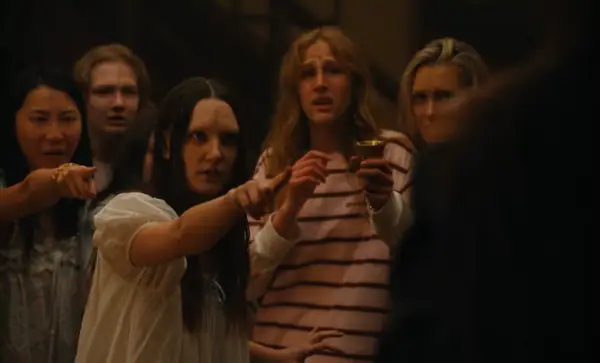
Set against the backdrop of low-waisted fashion, Juicy Couture tracksuits, and instant messaging drama, the plot centers on Anya (played by Kristina Bogic), the kind-hearted co-captain of the Lions dance squad, and her harsher best friend and fellow leader, Elise (Sara Boustany). Their dynamic shifts after an awkward audition by Lisbeth (Geena Meszaros), an isolated student whose reclusive mother (Louisa Krause) spends her days locked away delivering religious tirades. Feeling sympathy after Lisbeth's robotic tryout draws mockery, Anya invites her to an initiation event on Halloween.
The gathering takes place at a derelict building reputed to have driven a group of nuns mad. The squad intends to induct their newest recruit, Grace (Sofia Wylie), who happens to be the niece of the school's attractive headmaster and priest, Father Franklin (Nnamdi Asomugha). The ritual deteriorates when Anya proposes using ecstasy to welcome Grace, leading to Grace suddenly falling ill. Anxious that summoning an ambulance would ruin her prospects of attending college, Anya turns to Lisbeth for assistance, establishing a fragile alliance that anchors the remaining episodes.
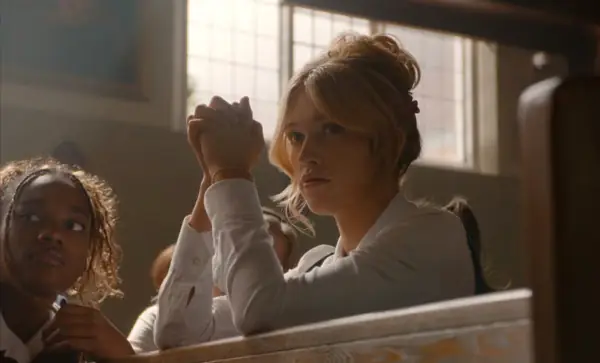
In the aftermath, whispers about the night spread through the conservative town, generating widespread panic and suspicion of demonic influence. The dancers are forced to navigate interrogations from parents and administrators, personal struggles over their faith, and severe infighting, all while training for their upcoming Regionals competition. While the show draws structural cues from works like The Crucible, The Exorcist, and Bring It On, its horror leans more campy than genuinely terrifying. Nevertheless, Shephard infuses personal depth into the material, having written the original pilot during the year she came out, transforming the narrative into an exploration of queer identity, belonging, and adolescent shame.