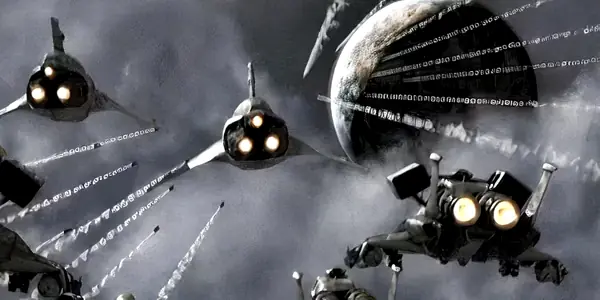
In 2023, two Oscar-winning blockbusters explored the grim legacy of nuclear weaponry from vastly different angles. Christopher Nolan's Oppenheimer detailed the atomic bomb's creation through the eyes of J. Robert Oppenheimer, while Takashi Yamazaki's Godzilla Minus One continued the monster franchise's long tradition of using a radioactive giant as an allegory for warfare. While neither film visually depicted the immediate fallout of the bombings at the time, Yamazaki's direct sequel, Godzilla Minus Zero, has now delivered the explicit imagery that Nolan avoided, while currently dominating the global box office.

While Nolan moved on to direct The Odyssey, Yamazaki crafted Godzilla Minus Zero as a direct cinematic counter to Oppenheimer. Near the film's climax, a harrowing flashback shows a bloodied and dazed survivor staggering through the ruined streets of Hiroshima, with the camera pointing directly at the charred human remains left in the blast's wake. Yamazaki explicitly aligns this human suffering with the devastation wrought by Godzilla, pulling no punches in visualizing the raw violence of atomic destruction.
This bold portrayal was entirely intentional. Following his Oscar win for Best Visual Effects in March 2024, Yamazaki hinted at making a film that served as a Japanese response to Nolan's work. In a interview with Time Magazine, Yamazaki explained that he realized he could merge a direct look at the Hiroshima tragedy with the metaphorical weight of the Godzilla franchise, aiming to jog the imaginations of modern audiences regarding the true, violent reality of nuclear war.
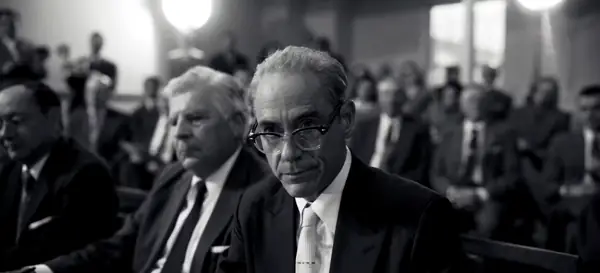
Nolan previously defended omitting the attacks on Hiroshima and Nagasaki by arguing that departing from Oppenheimer's subjective experience—who learned of the bombings via radio—would break the story's narrative rules. However, critics point out that Oppenheimer already broke its single-perspective structure by including black-and-white scenes centered on antagonist Lewis Strauss. Through Yamazaki's impactful work in modern movie theaters, audiences are finally shown the terrible human cost that underpins both directors' acclaimed projects.