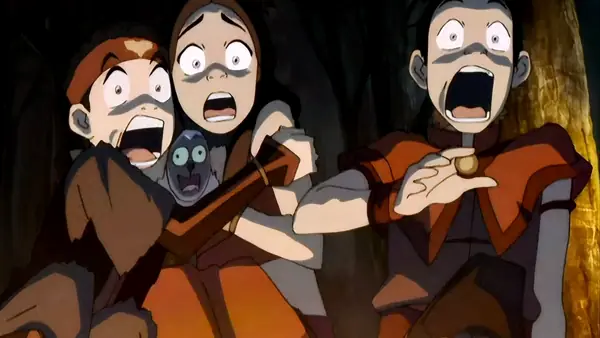
Exactly 19 years ago, on November 9, 2007, the episode titled "The Puppetmaster" aired as part of the final season of Avatar: The Last Airbender, fundamentally altering the mechanics and tone of the series. Before this milestone, waterbending was often perceived as the most limited of the four elemental arts due to its reliance on a nearby physical water source. Unlike firebenders who generate their own flames or earthbenders who are almost always surrounded by their element, Katara was frequently dependent on her water skin. This limitation was shattered when the show revealed a horrifying truth: water is present everywhere, including within the bodies of living beings.
The narrative introduced Hama, an elderly innkeeper and a survivor of the Southern Water Tribe. Initially appearing as a long-awaited mentor for Katara, Hama demonstrated how to extract moisture from the air and even from plants—a process that lethally withered the vegetation. The story quickly shifted into a psychological horror as Hama revealed she had developed "bloodbending" during years of imprisonment by the Fire Nation. By manipulating the liquid inside rats and eventually her human captors, she found a way to exact revenge. This discovery forced Katara, arguably the most virtuous member of the group, into a traumatic position where she had to use this dark art to save Aang and Sokka under the light of the full moon.
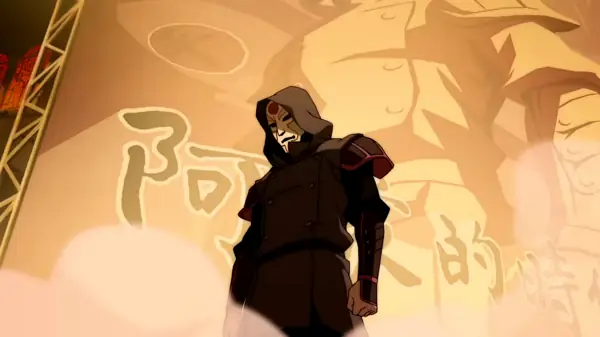
The legacy of this episode extended far into the sequel series, The Legend of Korra, which is frequently discussed in Gaming and animation circles for its complex world-building. Antagonists like Yakone and his sons, Noatak (Amon) and Tarrlok, evolved bloodbending into a psychic ability that did not require a full moon or physical gestures. Amon famously used the technique to sever internal energy paths, stripping benders of their powers permanently. Decades later, Katara would face the aftermath of these advancements while attempting to heal those affected. "The Puppetmaster" remains a pivotal moment in the franchise, subverting the typical hero's journey by turning a powerful "level-up" into a source of profound emotional distress and ethical conflict.