The Castlevania franchise remains one of the most enduring sagas in video game history. Following a 13-year hiatus that ended earlier this year with the release of Castlevania: Belmont’s Curse, the legendary series has re-established its gothic footprint. Over the decades, Konami’s vampire-hunting franchise has experimented with various gameplay styles, evolving from brutal linear platformers to sprawling exploration-based adventures. For newcomers and returning fans looking for the ultimate retrospective, our gaming coverage highlights the top entries that defined this iconic franchise.
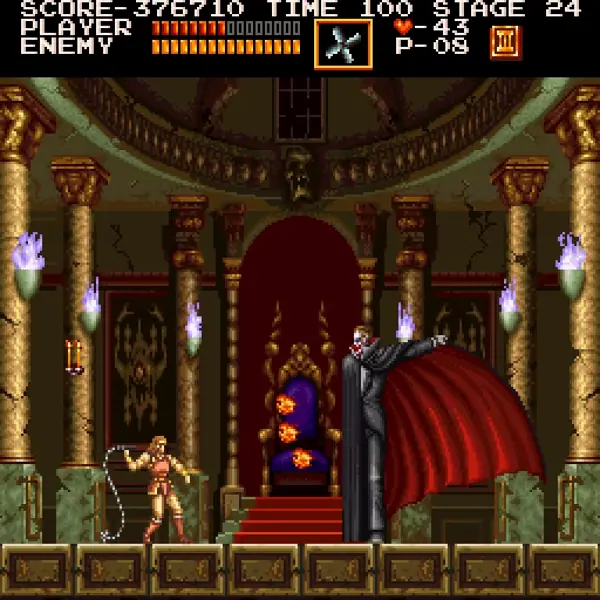
The era of 8-bit and 16-bit consoles produced several foundational titles. On the NES, Castlevania 3: Dracula’s Curse perfected the original trilogy's formula by introducing multiple playable characters with distinct lore—which later inspired the Netflix animated series—alongside branching pathways and technical achievements that pushed the hardware to its limits. Moving to the Super Nintendo, Super Castlevania 4 stood out as a visual and mechanical showcase, featuring eight-directional whip movement, grappling features, and Mode 7 graphical rotation. Meanwhile, Sega Genesis players received Castlevania: Bloodlines, a fast-paced World War I adventure scored by composer Michiru Yamane that featured a spear-wielding protagonist visiting real-world landmarks like the Leaning Tower of Pisa.
The franchise also saw remarkable quality across specialized hardware and handheld platforms. Castlevania Chronicles, originally created for the Sharp X68000 as Akumajo Dracula, served as a challenging and enhanced remake of the 1986 original game. Castlevania: Rondo of Blood, long restricted to the PC Engine CD before its eventual Western release on the PSP in 2007, delivered branching paths and a town-on-fire narrative that set the stage for future titles. On the Game Boy Advance, Castlevania: Aria of Sorrow impressed players through its soul-absorption mechanic, where protagonist Soma Cruz absorbs monster abilities inside Dracula’s castle during a solar eclipse—a classic now accessible via the Castlevania Advance Collection.
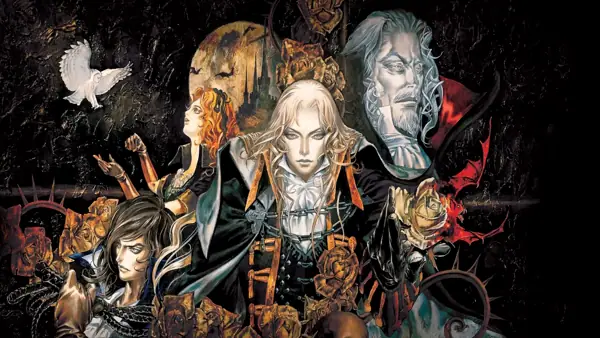
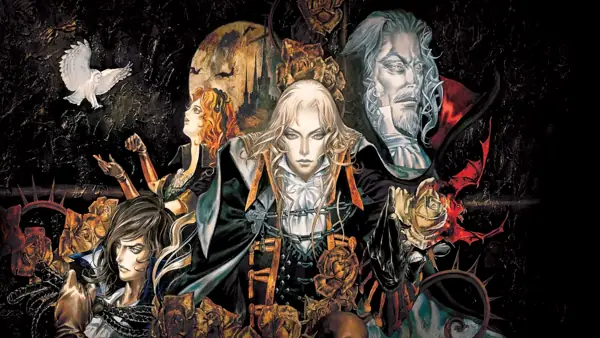
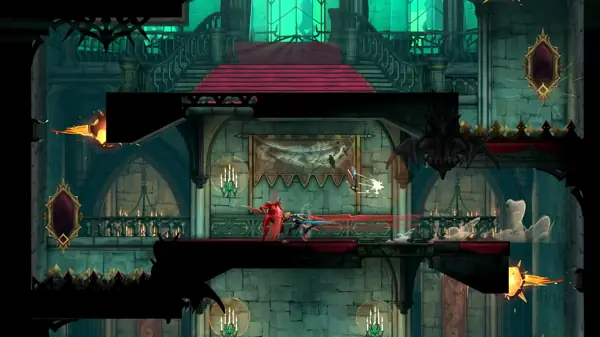
The franchise's modern era and top rankings are anchored by two monumental releases. Castlevania: Belmont’s Curse revitalized the brand after more than a decade away, employing 2.5D environments, fluid combat, and deep Metroidvania mechanics with a fresh protagonist. However, the absolute peak of the series remains Castlevania: Symphony of the Night. Released nearly three decades ago, it fused Metroid-style non-linear exploration with gothic horror as Alucard navigated his father’s stronghold. Its iconic mid-game twist, unlocked via holy spectacles that revealed an entire inverted castle, cemented Symphony of the Night as an unmatched masterpiece in action-adventure design.