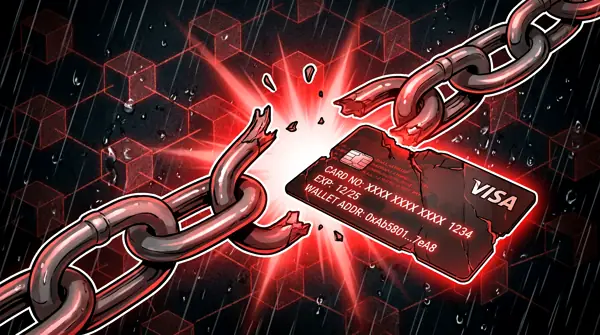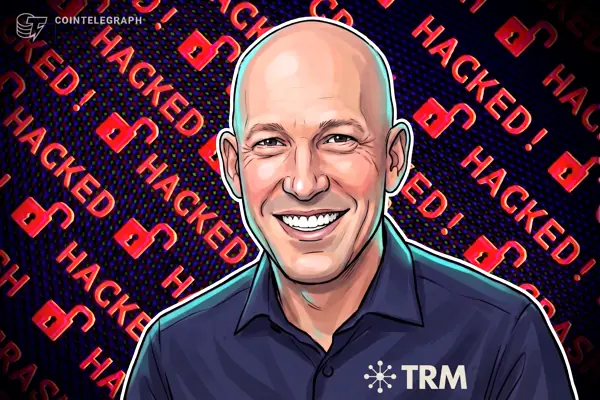
The cryptocurrency industry is grappling with the aftermath of a historic security breach at Binance, which saw attackers siphon off a staggering $6.3 billion. In the wake of the incident, Ari Redbord, the global head of policy and government affairs at blockchain intelligence firm TRM Labs, has characterized the situation as a state-sponsored "cyber war." TRM Labs was instrumental in identifying the culprits, attributing the massive theft to the North Korean hacking collective known as TraitorTrader. The firm cited indisputable evidence from both on-chain and off-chain data to link the group to this attack, as well as a previous $1.5 billion exploit of Bybit in February 2025.

According to Binance’s official postmortem released on November 3, the attackers utilized a sophisticated social engineering scheme. Hackers allegedly posed as recruiters to deliver malware to an engineer’s workstation, eventually gaining access to an internal AI tool that was leveraged to reach the exchange's critical wallet-signing service. Despite the severity of the breach, the industry's response was remarkably swift. TRM Labs reported that stablecoin issuers managed to freeze approximately $2.67 billion—roughly 40% of the stolen funds—almost immediately. Tether alone froze 971.1 million USDT tokens within just 37 minutes of the initial sweep, a feat Redbord described as unprecedented in the history of crypto security.
This rapid coordination was largely facilitated by the Beacon Network, an intelligence-sharing platform launched by TRM in 2025. Redbord noted that while typical days see only a handful of alerts, the Binance event triggered hundreds of notifications, allowing companies to immobilize assets before they could be moved off-chain. However, the push for industry-wide unity faces hurdles; the T3 Financial Crime Unit, a joint initiative between TRM, Tron, and Tether, reportedly disbanded in late August due to coordination issues, though Tether continues to utilize the Beacon system.

Ultimately, Redbord argues that defensive measures and fund recovery are not enough to deter state-backed actors. With the Binance theft representing nearly a third of North Korea’s GDP, the financial incentive for such operations remains immense. Redbord is now calling for governments to take offensive cyber actions against the laundering networks and banks supporting these hackers. He maintains that as long as these attacks remain effective, state-backed groups will continue to exploit vulnerabilities, necessitating a policy of "hacking back" to protect the global financial ecosystem.